
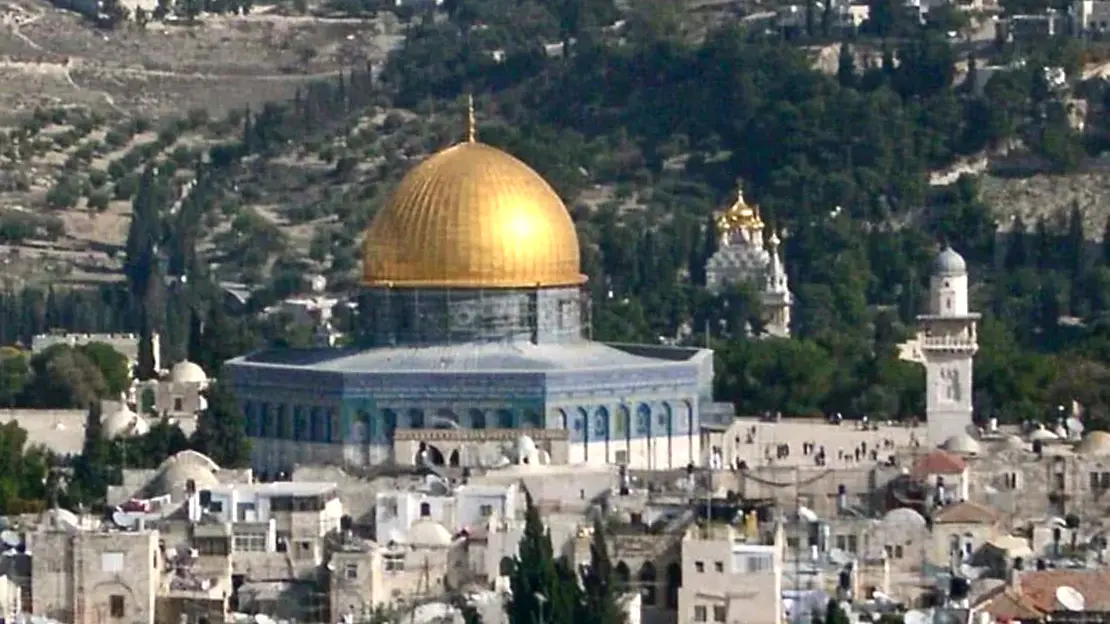
Table of Contents
Why Catholics Are Asking “Is It Safe to Travel to the Holy Land?”
For many Catholics, a pilgrimage to the Holy Land is the journey of a lifetime – a chance to walk where Jesus walked, to pray at the Church of the Holy Sepulchre, to be baptized in the Jordan River, and to celebrate Mass in Bethlehem. But in the wake of the recent conflict between Israel and Hamas, that dream has been clouded by a very real question: Is it safe to travel to the Holy Land right now?
We get it. And you’re not alone in asking. Since the conflict began in late 2023, countless faithful pilgrims have wrestled with fear, uncertainty, and conflicting information.
News reports show devastating images from Gaza and border areas.
Travel advisories flash warnings.
Family members express concern.
And yet, you feel the pull – the deep spiritual longing to stand in the places where our Lord lived, taught, suffered, and rose.
The good news is this: a ceasefire between Israel and Hamas has taken effect, and pilgrimage activity is beginning to return. Church leaders in Jerusalem, including the Latin Patriarch and the Custos of the Holy Land are once again welcoming pilgrims to the holy sites. But questions about safety, timing, and prudence remain, and they deserve honest, informed answers.
At Catholic Journeys, we’ve been leading Catholic pilgrimages to the Holy Land for over 20 years. We don’t take the question of safety lightly. Our team closely monitors conditions on the ground through direct contact with Church leaders, local guides, government advisors, and trusted partners who live and work in Israel and the Palestinian territories.
We operate pilgrimages only when we are confident – both spiritually and practically – that itineraries can be run responsibly and with prudent attention to safety.
In this guide, we’ll answer the question “Is it safe to travel to the Holy Land now?” with the honesty and clarity you deserve. We’ll share what Catholic Church leaders are saying about returning, explain how travel advisories work and what they mean for pilgrims, outline the safety measures we use to protect our groups, and offer guidance to help you discern whether now is the right time for your pilgrimage.
Whether you’re ready to book or still seeking peace about your decision, we’re here to walk with you.
Is It Safe to Travel to the Holy Land Now?
The short answer is: it depends on where you’re going, when you’re traveling, and how you’re traveling.
Safety in the Holy Land is not uniform across the entire region. The areas where Catholic pilgrims typically visit – Jerusalem’s Old City, Nazareth, the Sea of Galilee, and the Jordan River – are very different from active conflict zones near Gaza or volatile border areas. Understanding this geographic distinction is essential to making an informed decision about your pilgrimage.
Following the ceasefire that took effect in early 2025, Church leaders on the ground have reported that pilgrimage activity in the main Christian sites is resuming. Pilgrims are once again walking the Via Dolorosa, praying at the Church of the Holy Sepulchre, and visiting Galilee with the encouragement and welcome of local Church authorities. For organized Catholic pilgrimage groups traveling with experienced operators, these core pilgrimage routes are considered reasonably safe under current conditions, according to local Church leaders and tour providers.
That said, “safe” does not mean “risk-free.” The Holy Land remains a complex region with ongoing political tensions, occasional flare-ups, and security challenges that require constant vigilance. A Holy Land pilgrimage in 2026 requires prudence, flexibility, and a willingness to follow the guidance of those who know the region intimately – your guides, your tour operator, and local Church leaders.
Is It Safe to Travel to Jerusalem and Israel for a Pilgrimage?
Jerusalem, the heart of Christian pilgrimage, operates under robust security measures. The Old City, where pilgrims visit the Church of the Holy Sepulchre, the Western Wall, and walk the Via Dolorosa, has a significant security presence.
Checkpoints, bag screenings, and armed personnel are common, especially at major religious sites and transit points. While this may feel unfamiliar to first-time visitors, these measures are part of what helps keep pilgrims safe.
Catholic pilgrimage groups typically travel by private motorcoach, stay in established hotels, and move through the city with experienced local guides who know the rhythms of the streets, the best times to visit sites, and how to navigate any sudden changes. Groups stay together, follow a planned itinerary, and avoid areas that are considered higher risk.
In our experience, pilgrims who travel with a reputable Catholic tour operator and remain with their group throughout the journey can typically visit Jerusalem’s holy sites with a strong measure of safety and peace of mind, while recognizing that no travel is completely risk‑free.
Is It Safe to Visit Bethlehem and Galilee Right Now?
Bethlehem, located in the West Bank, is one of Christianity’s most treasured sites – the birthplace of our Lord. Access to Bethlehem involves crossing checkpoints between Israeli and Palestinian-controlled areas. Here pilgrims visit the Church of the Nativity and celebrate Mass at the site of Christ’s birth. As a responsible tour operator, Catholic Journeys and its local partners on the ground are constantly monitoring the situation in the area and are able to adjust any itineraries should current security assessments deem it prudent or necessary.
When conditions allow, pilgrims do visit the Church of the Nativity and celebrate Mass at the site of Christ’s birth. However, flexibility is key, and some itineraries may adjust Bethlehem visits depending on the security situation at the time of travel.
Galilee – the region around the Sea of Galilee, including Nazareth, Capernaum, the Mount of Beatitudes, and Tabgha – is generally perceived as stable for pilgrimage groups. This northern region, where Jesus spent much of His public ministry, has seen relatively less direct impact from recent conflicts. Pilgrims can typically visit these sites with greater consistency, though all travel in the Holy Land is subject to changing conditions.
The key takeaway is this: geography matters. Catholic Journeys does not operate tours to Gaza or areas under active conflict. Our itineraries focus on the core pilgrimage corridor where Church leaders and security advisors indicate that group travel is prudent. We avoid areas known to be subject to rocket fire, military operations, or travel bans, and we work with our local partners to adjust routes if conditions change.
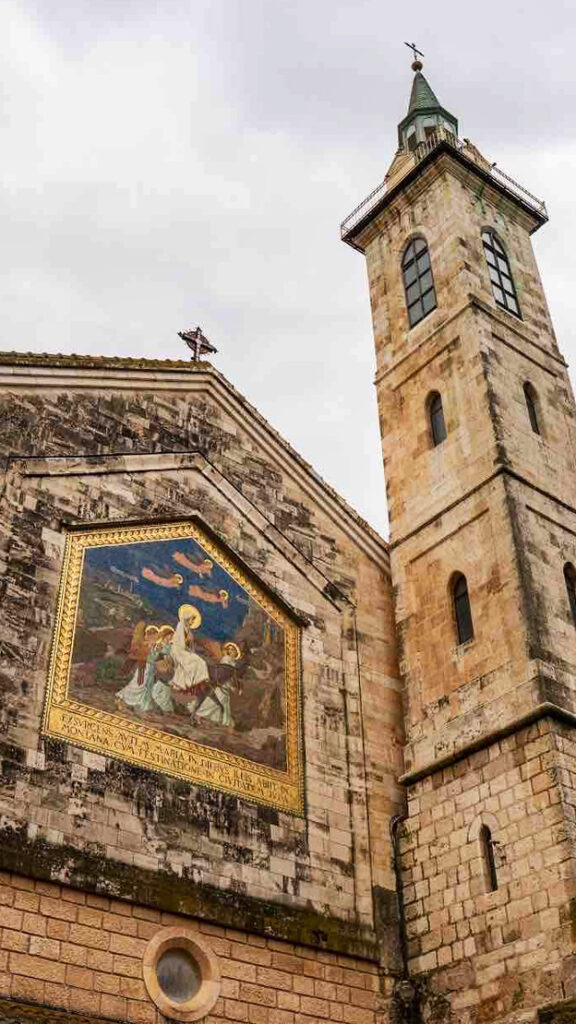
What Catholic Church Leaders Are Saying About Returning to the Holy Land
When deciding whether to travel to the Holy Land, one of the most important voices to listen to is the local Church – the bishops, priests, and religious who live and serve in Jerusalem, Bethlehem, and throughout the Holy Land every day. These are not distant observers; they are shepherds who understand both the spiritual significance of pilgrimage and the practical realities on the ground.
In a powerful joint message filmed in the Old City of Jerusalem, Cardinal Pierbattista Pizzaballa, Latin Patriarch of Jerusalem, and Father Francesco Patton, Custos of the Holy Land, extended a heartfelt invitation to Catholics around the world to come back, assuring them that they are waiting for pilgrims to return.
Speaking directly to the camera with the ancient stones of Jerusalem behind them, these Church leaders described the ceasefire as a “turning point” and emphasized that pilgrimages are once again safe for pilgrims.
But their message went beyond safety. They spoke of the spiritual importance of renewing the tradition of pilgrimage – of walking in the footsteps of Christ, of praying at the places where salvation history unfolded, and of encountering the living stones of the Church: the small but resilient Christian community that calls the Holy Land home.
Cardinal Pizzaballa explained that when pilgrims come, the local Christian community feels part of a larger family and knows they are not forgotten. In their message, the Church leaders pointed to the Church of the Holy Sepulchre – the site of Christ’s crucifixion, burial, and resurrection – as the source and the origin of the hope for Christians, and they urged pilgrims not to be afraid but to come and draw from that wellspring of faith.
Pilgrimage as an Act of Solidarity
The message from Church leaders is clear: pilgrimage to the Holy Land is not just spiritually enriching for you – it is also an act of charity and solidarity for the Christians who remain. The Christian population in the Holy Land is small and has faced immense hardship, especially during the months when pilgrimage traffic halted.
Many Christian families depend on pilgrimage-related work for their livelihoods: guides, drivers, hoteliers, shopkeepers, and artisans who craft olive wood rosaries and icons.
When pilgrims return, they bring more than tourism dollars. They bring hope. They bring the reminder that the universal Church has not abandoned its brothers and sisters in the land where the faith was born. Your pilgrimage becomes a form of accompaniment – a way of saying, We are with you. You are not alone.
The “Forgotten Holy Land” in Jordan
It’s also worth noting that Church leaders have reminded the faithful that the Holy Land extends beyond the modern borders of Israel and the Palestinian territories. Father Firas Aridah, pastor of the Latin Parish in Madaba, Jordan, has spoken passionately about what he calls the “forgotten Holy Land” – the biblical sites in Jordan that are deeply connected to salvation history but often overlooked by pilgrims.
Jordan is home to Bethany Beyond the Jordan (Al-Maghtas), the site recognized by the Vatican as the place where Jesus was baptized by John the Baptist. It includes Mount Nebo, where Moses glimpsed the Promised Land before his death.
It holds Pella, one of the cities where early Christians fled during the Roman siege of Jerusalem, and Gadara (Umm Qais), associated with Jesus’ exorcism of the demon-possessed man. Jordan is also home to Machaerus, the fortress where John the Baptist was martyred.
Father Aridah’s message is simple: the Holy Land is not just one country. It is a sacred geography that spans borders, and pilgrims who include Jordan in their itinerary are enriched by a fuller, more complete encounter with the places where God acted in history.
For pilgrims who remain concerned about security in Israel and the Palestinian territories, Jordan offers a compelling complement – or even an alternative starting point – for a Holy Land pilgrimage.
Understanding Travel Advisories and Higher-Risk Areas
One of the biggest sources of confusion – and fear – for prospective pilgrims is the language used in government travel advisories. Headlines like “Do Not Travel” or “Reconsider Travel” can sound absolute and terrifying. But understanding how these advisories work, and what they actually cover, is essential to making an informed decision about your pilgrimage.
How Travel Advisories Work
Travel advisories are issued by governments (such as the U.S. State Department, the UK Foreign Office, or Canada’s Global Affairs office) to inform citizens about potential risks when traveling abroad. These advisories are written to reflect serious and potential worst‑case risks, and they also help governments set clear expectations about the support they can or cannot provide. They often apply broad warnings to entire countries or regions, even when the actual risk is highly localized.
For example, a travel advisory for Israel might include warnings about Gaza, the West Bank, and border areas near Lebanon or Syria – places where active conflict, military operations, or rocket fire pose genuine danger. But that same advisory may also technically cover Jerusalem, Nazareth, and the Sea of Galilee, even though the risk profile in those areas is vastly different.
This is why reading beyond the headline is so important. Most government advisories break down risk by specific region or city. When you dig into the details, you’ll often find that the areas where Catholic pilgrims actually travel – the Old City of Jerusalem, Galilee, the Jordan River – carry different levels of caution than border zones or conflict areas.
Geographic Distinctions: Where Pilgrims Go vs. Where Conflict Occurs
Catholic pilgrimage itineraries focus on a specific corridor of sites central to the life of Christ and the early Church:
- Jerusalem’s Old City: The Church of the Holy Sepulchre, the Via Dolorosa, the Mount of Olives
- Bethlehem: The Church of the Nativity
- Nazareth: The Basilica of the Annunciation
- The Sea of Galilee region: Capernaum, the Mount of Beatitudes, Tabgha, the Jordan River baptismal site
These locations are not in Gaza. They are not on the Lebanese or Syrian borders. They are not in the primary zones of frequent rocket fire or ground operations, though advisories still warn that security incidents can occur elsewhere in Israel and the West Bank.
Catholic Journeys does not operate trips to Gaza or other active conflict zones. Our itineraries are carefully designed to avoid locations that major governments currently advise against visiting and areas where our local partners would not feel safe bringing groups – or their own families.
That said, we remain vigilant. Travel advisories can change quickly, and so can conditions on the ground. If a specific area becomes subject to heightened risk, even temporarily, we work with our local partners to adjust itineraries where feasible. Flexibility is built into every pilgrimage we operate.
Why the News Sounds Worse Than What Pilgrims Experience
It’s also important to recognize that news coverage of the Israeli-Palestinian conflict tends to focus on the most dramatic and dangerous moments: airstrikes, rocket attacks, military raids, and casualties. This is understandable – news media prioritize urgency and impact. But the result is that viewers at home often form a mental picture of the entire Holy Land as a war zone, when in reality, the geography of risk is much more specific, even though serious incidents can still occur outside active battle zones.
Pilgrims who travel to the Holy Land with reputable tour operators often report being surprised by how normal daily life feels in Jerusalem, Nazareth, and Galilee. Yes, there is visible security – checkpoints, bag checks, armed personnel. But there are also bustling markets, families going about their routines, and the ancient rhythms of prayer and worship continuing as they have for centuries.
The sites pilgrims visit are under ongoing security oversight precisely because they are high-value religious and cultural landmarks. Israeli authorities, Palestinian security forces, and Church officials all have a vested interest in keeping these places safe for visitors. This doesn’t eliminate all risk, but it does mean that pilgrimage sites receive a level of protection and monitoring that is far greater than what you might encounter traveling independently in less-secured areas.
Checking Your Own Government’s Advisory
We encourage every prospective pilgrim to check the most current travel advisory issued by their own government. But when you do, please read carefully:
- Look for geographic breakdowns. Which specific areas are flagged as highest risk?
- Distinguish between “Do Not Travel” and “Exercise Increased Caution.” These are very different levels of warning.
- Consider the date of the advisory. Was it issued during active fighting, or has it been updated since the ceasefire?
- Compare the advisory to what Church leaders on the ground are saying. Local bishops and the Custos of the Holy Land often have the most current and practical perspective.
Travel advisories are one piece of the puzzle – an important piece, but not the whole picture. At Catholic Journeys, we weigh advisories alongside input from our local partners, Church leaders, and daily security updates to make decisions that prioritize both safety and the spiritual fruit of pilgrimage.
How Catholic Journeys Keeps Holy Land Pilgrims Safe
At Catholic Journeys, safety isn’t an afterthought – it’s woven into every aspect of how we plan, operate, and adjust our Holy Land pilgrimages.
We’ve been leading Catholic pilgrims to sacred sites around the world for over 20 years, and in that time, we’ve built a network of trusted partners, established rigorous protocols, and learned how to navigate complex situations with both prudence and faith.
Here’s how we approach safety for every Holy Land pilgrimage we operate:
Vetted Local Partners Who Live the Reality
We work primarily with local guides, drivers, and ground operators who live in Israel, the Palestinian territories, and Jordan. These aren’t contractors we found online – they’re partners we’ve worked with for years, many of whom are themselves Catholic and deeply committed to serving pilgrims with excellence and care.
Our local partners are in regular contact with us about daily conditions. They know which roads are clear, which checkpoints are running smoothly, which sites are crowded or temporarily restricted, and when it’s wise to adjust timing or routes. They have families of their own in the region, and they treat our pilgrims with the same care they would give their own loved ones.
This on-the-ground intelligence is invaluable. It allows us to make decisions based not on yesterday’s news headline, but on today’s reality in Jerusalem, Nazareth, and Galilee.
Continuous Monitoring Before and During Your Trip
Our responsibility to your safety begins long before you board your flight. In the weeks and days leading up to each departure, our team actively monitors:
- Government travel advisories from the U.S., Canada, and other relevant countries
- Airline schedules and route changes (carriers sometimes adjust or suspend service based on their own risk assessments)
- Local news and security updates from Israeli and Palestinian sources
- Direct communication from Church leaders, including the Latin Patriarchate and the Custody of the Holy Land
- Feedback from our guides and partners who are on the ground in real time
If conditions appear to change significantly before your departure, we contact you directly. Depending on the situation, we may adjust the itinerary, reroute certain portions of the trip, or in rare cases, postpone the pilgrimage until conditions improve. We will not knowingly send you into a situation we believe is unsafe.
Group Travel: Strength in Numbers and Structure
One of the most significant safety advantages of traveling with Catholic Journeys is that you travel as part of a group, not as an individual tourist. This provides multiple layers of protection:
- Private motorcoach transportation: You’re not navigating public transit, hailing taxis, or walking unfamiliar streets alone. You travel together in a secure, private vehicle with a professional driver who knows the routes.
- Experienced Catholic guides: Your guide is with you at every site, managing entry, coordinating with local security, conducting headcounts, and ensuring no one gets separated from the group.
- Structured itinerary: You’re not wandering without a plan. Every day has a clear schedule, and your guide knows exactly where the group should be and when.
- Group cohesion rules: We ask pilgrims to stay with the group, especially in busy or complex areas like Jerusalem’s Old City. This isn’t about restricting your freedom – it’s about ensuring that if something unexpected happens, everyone is accounted for and can be assisted quickly.
Contingency Plans for Changing Conditions
Even the best planning can’t eliminate all uncertainty, which is why we build flexibility and contingency planning into every pilgrimage.
If tensions spike in a specific area while you’re on pilgrimage, we don’t panic – we adapt. Our local partners help us reroute away from affected zones, adjust the order of site visits, or shift to alternative locations that offer similar spiritual value where feasible. For example, if access to Bethlehem becomes temporarily restricted, we might spend additional time in Galilee or add a deeper exploration of Jerusalem’s Christian Quarter.
If a more serious situation develops, our priority is getting you to safety and, if necessary, home. We do our best to work with airlines to secure seats on available flights, coordinate with local authorities and (when applicable) embassy staff, and communicate with you and your emergency contacts every step of the way.
What Happens If Conflict Escalates During My Trip?
This is one of the most common questions we receive, and it deserves a clear answer.
If conflict escalates significantly while you are in the Holy Land, our immediate focus is on your safety and wellbeing. Here’s what that looks like in practice:
- Assessment: Our local team assesses the situation in consultation with Church leaders, security experts, and government sources.
- Shelter in place or relocation: Depending on the nature and location of the threat, we may keep the group secure in the hotel, move to a safer area, or proceed to the airport if evacuation is warranted.
- Communication: We keep you informed at every step and maintain contact with your emergency contacts back home.
- Coordination with airlines and authorities: If flights are disrupted, we work to secure alternative transportation. If embassy assistance is needed, we facilitate that connection.
We’ve operated pilgrimages through periods of tension before, and while we pray such situations remain rare, we are prepared to respond calmly and decisively if they occur.
The Importance of Travel Insurance
We strongly encourage – really, we urge – every pilgrim to purchase comprehensive travel insurance that includes:
- Trip cancellation and interruption coverage (in case you need to cancel before departure or cut your trip short)
- Emergency medical coverage (including evacuation if necessary)
- Coverage for political unrest or civil disturbance (some standard policies exclude this, so read carefully)
Catholic Journeys partners with well-rated, reputable travel insurance companies in the industry, and we’re happy to help you understand your options. Good travel insurance is not just a financial safety net – it’s peace of mind for you and your family.
A Pilgrimage Company You Can Trust
Catholic Journeys a pilgrimage tour company that is 100% Catholic-owned and operated, with a priest on staff. This isn’t just a tagline – it reflects our identity and our mission.
We see pilgrimage as a sacred responsibility, not just a business transaction. When you entrust us with your Holy Land journey, you’re not just booking a tour; you’re joining a community of faith that takes your spiritual and physical wellbeing seriously.
We strive not to cut corners. We avoid reckless decisions, and we don’t operate trips when, in our judgment, we believe the risk outweighs the spiritual fruit of the pilgrimage.
For over two decades, we’ve walked with thousands of pilgrims through moments of joy, prayer, transformation – and yes, occasionally uncertainty. We’ll walk with you, too.
What to Expect on a Holy Land Pilgrimage in 2026
Understanding what a Holy Land pilgrimage actually looks like – what you’ll see, where you’ll go, and what the day-to-day experience feels like – can help ease anxiety and prepare you spiritually and practically for the journey ahead.
A Typical Holy Land Itinerary
While every pilgrimage is unique, most Catholic Journeys Holy Land tours include visits to the following core sites:
In Jerusalem:
- The Church of the Holy Sepulchre, built over the site of Christ’s crucifixion, burial, and resurrection
- The Via Dolorosa, the path Jesus walked carrying His cross to Calvary
- The Mount of Olives, including the Garden of Gethsemane and the Church of All Nations
- The Upper Room (Cenacle), the traditional site of the Last Supper and Pentecost
- The Western Wall and views of the Temple Mount
In Bethlehem:
- The Church of the Nativity, marking the birthplace of Jesus
- Shepherd’s Field, where angels announced Christ’s birth
In the Galilee Region:
- Nazareth and the Basilica of the Annunciation
- Capernaum, the “town of Jesus” where He preached and performed miracles
- The Mount of Beatitudes, traditional site of the Sermon on the Mount
- Tabgha, where Jesus multiplied the loaves and fishes
- The Sea of Galilee, where pilgrims often board a boat to reflect on Jesus’ ministry by these waters
- The Jordan River baptismal site, where many pilgrims renew their baptismal promises
All itineraries include Mass celebrated daily by a Catholic priest, time for the Sacrament of Reconciliation and moments of quiet prayer at each sacred site. Some include Eucharistic Adoration, as this is not a sightseeing tour – it’s a spiritual encounter with the places where God broke into human history.
Visible Security: What It Means and Why It’s There
One of the most striking aspects of pilgrimage in the Holy Land is the visible security presence. This can feel jarring at first, especially if you’re not accustomed to seeing armed soldiers or police in public spaces. But understanding the purpose of this security can help reframe it as a source of reassurance rather than alarm.
What you should expect:
- Checkpoints at some entrances to Jerusalem’s Old City, moving between Israeli and Palestinian-controlled areas, and at major transit hubs
- Bag screenings and metal detectors at entrances to churches, religious sites, and public gathering spaces
- Armed personnel (Israeli Defense Forces, police, and private security) in high-traffic areas, particularly around the Western Wall, the Church of the Holy Sepulchre, and near government buildings
This security infrastructure exists because the Holy Land is home to sites sacred to three major world religions, and protecting them – and the people who visit them – is a top priority. While it may feel unfamiliar, this is part of what helps keep pilgrims safe.
Your guide will walk you through checkpoints, explain what to expect, and help smooth any moments of confusion or delay. Following your guide’s instructions and having your passport ready when required will make these transitions much easier.
Practical Safety Tips for Pilgrims
Beyond the larger security framework, there are simple, practical steps you can take to stay safe and comfortable during your pilgrimage:
Stay with your group.
This is the single most important safety rule. Your guide knows the area, speaks the languages, and can navigate unexpected situations. Wandering off alone – even with good intentions – puts you at risk of getting lost, missing the group, or ending up somewhere unfamiliar.
Dress modestly for churches and religious sites.
Many holy sites require modest dress: covered shoulders, no shorts, and for women, sometimes a head covering. Dressing appropriately shows respect and also helps you blend in rather than stand out as a tourist.
Be street-smart with your belongings.
The Holy Land’s main pilgrimage areas generally experience relatively low levels of violent crime against tourists, but petty theft (pickpocketing, bag-snatching) can occur in crowded areas like markets or busy pilgrimage sites. Keep valuables secure, don’t flash expensive jewelry or large amounts of cash, and consider using a money belt or hidden pouch for your passport and credit cards.
Avoid political demonstrations or large gatherings.
If you encounter a protest, rally, or tense situation, move away calmly and rejoin your group. Do not take photos, engage with demonstrators, or try to “see what’s happening.” Your guide will steer the group clear of such situations whenever possible.
Don’t wander alone in unfamiliar neighborhoods.
Jerusalem’s Old City is a maze of narrow alleys and winding streets. Even experienced travelers can get disoriented. If you have free time and want to explore, go with a buddy from your group, stay in well-traveled areas, and keep your hotel contact information with you.
Stay hydrated and wear good shoes.
This may sound basic, but it’s crucial. Jerusalem is built on hills, and much of your pilgrimage involves walking on uneven cobblestones, ancient stairs, and outdoor paths. Wear sturdy, comfortable shoes with good grip. Bring a refillable water bottle, especially if you’re traveling in warmer months, and pace yourself. There’s no shame in taking breaks – pilgrimage is not a race.
Be honest about mobility limitations.
If you have concerns about walking long distances, climbing stairs, or navigating uneven terrain, talk to Catholic Journeys before you book. We can help you understand what the physical demands of the trip will be and, when possible, suggest accommodations or alternative arrangements.
For a complete packing list and more detailed practical tips, check out our guide: Travel Checklist for Pilgrimage Tours.
Is It Safe to Fly Into Tel Aviv Now?
Many pilgrims wonder whether it’s safe to fly into Ben Gurion Airport in Tel Aviv.
Here’s what you should know:
Ben Gurion Airport operates with some of the highest security standards in the world. Israeli aviation security is famously rigorous, and the airport itself is protected by advanced defense systems, including the Iron Dome missile defense network.
Airlines make their own risk assessments. If a major carrier like Delta or United determines that flying into Tel Aviv is unsafe, they will suspend or reroute flights. The fact that airlines are operating scheduled service is one indication that aviation authorities consider the risk low at this time.
That said, flight schedules can change quickly if conditions deteriorate. This is why we include air arrangements as part of the Catholic Journeys. However, if you are making your own air arrangements independently, we recommend:
- Booking flights that align with your tour dates (we provide guidance on recommended arrival/departure times)
- Staying in close communication with both your airline and Catholic Journeys in the weeks before departure
- Having flexibility built into your travel plans (for example, avoiding tight connections or important commitments immediately after your return)
If your flight is canceled or significantly delayed due to security concerns, your travel insurance may cover some rebooking costs, depending on the plan you choose and the reason for the cancellation, which is another reason comprehensive coverage is so important.
Jordan and the ‘Wider Holy Land’ as Part of Your Pilgrimage
When most Catholics think of the Holy Land, they picture Israel and the Palestinian territories – Jerusalem, Bethlehem, Nazareth, the Sea of Galilee. And rightly so: these are the places where Jesus was born, lived, taught, died, and rose from the dead. But the biblical Holy Land extends beyond modern political borders, and some of the most significant sites in salvation history are located in the Hashemite Kingdom of Jordan.
For pilgrims who are concerned about security in Israel and the West Bank, or for those who simply want a fuller encounter with the geography of Scripture, Jordan offers a profound and often quieter complement, or even alternative, to the traditional pilgrimage route.
The Biblical Significance of Jordan
Jordan is not a “secondary” Holy Land – it is part of the Holy Land, woven throughout the Old and New Testaments. This is the land east of the Jordan River, the territory of the ancient tribes of Reuben, Gad, and Manasseh. This is where Moses stood on Mount Nebo and gazed into the Promised Land he would never enter. This is where Elijah was taken up to heaven in a chariot of fire. This is where John the Baptist preached repentance and baptized Jesus in the Jordan River.
To visit Jordan is to walk in the footsteps of patriarchs, prophets, and apostles. It is to stand in places where God’s saving plan unfolded across millennia. And for many pilgrims, the experience of visiting these sites is quieter, less crowded, and deeply moving precisely because they are often overlooked.
Key Pilgrimage Sites in Jordan
Bethany Beyond the Jordan (Al-Maghtas)
This is the site on the eastern bank of the Jordan River that the Vatican and multiple Christian denominations recognize as the authentic traditional site of Jesus’ baptism by John the Baptist. Archaeological excavations have uncovered ancient churches, baptismal pools, and caves associated with John the Baptist’s ministry. Standing here, you can renew your own baptismal promises at the very place where Christ began His public ministry.
Mount Nebo
From the summit of Mount Nebo, Moses looked out over the Promised Land before his death (Deuteronomy 34:1-4). On a clear day, pilgrims standing at this same spot can see Jerusalem, Jericho, and the Dead Sea. The Franciscan chapel on the summit contains stunning mosaics and a bronze serpent sculpture commemorating the bronze serpent Moses lifted in the desert (Numbers 21:4-9) – a foreshadowing of Christ on the Cross.
Madaba (The City of Mosaics)
Madaba is home to the famous 6th-century mosaic map of the Holy Land, located in St. George’s Church. This ancient map shows Jerusalem, the Dead Sea, and other biblical landmarks as they were understood by early Christians. The city is also rich in other Byzantine-era mosaics, many depicting biblical scenes.
Pella
According to the early Church historian Eusebius, Christians in Jerusalem fled to Pella in the years before the Roman destruction of Jerusalem in 70 AD (Matthew 24:15-16). This makes Pella a city of refuge for the early Church and a powerful symbol of God’s providential care for His people.
Umm Qais (Gadara)
This is the ancient city of the Decapolis, believed to be the site where Jesus exorcised demons from a possessed man and sent them into a herd of swine (Mark 5:1-20). The ruins overlook the Sea of Galilee and the Golan Heights, offering breathtaking views and a tangible connection to the Gospels.
Machaerus
This mountain fortress is where Herod Antipas imprisoned and beheaded John the Baptist (Matthew 14:1-12). Pilgrims who visit Machaerus stand at the site of the martyrdom of the greatest prophet, the one who prepared the way for the Lord.
Mar Elias (Elijah’s Hill)
Tradition holds that this is one of the sites associated with the Prophet Elijah’s ascent to heaven in a whirlwind (2 Kings 2:11). The hill offers panoramic views of the Jordan Valley.
Additional Sites to Visit in Jordan
Petra
Petra, the Rose City, was the capital of the Nabateans carved out of the red rock of the mountain. Travelers walk down through the Siq, a narrow passage to the first monument – the Treasury, immortalized in the movie Indiana Jones and the Last Crusade. They also visit the Monastery, House of Justice, the Royal Tombs, and the Ancient Theater.
Dead Sea
It is the lowest point on Earth and is called the Dead Sea because of its high salinity; no fish or plants live here. Floating in the Dead Sea is believed to have health benefits.
Why Consider Jordan for Your Pilgrimage?
There are several reasons why including Jordan in your Holy Land pilgrimage – or even focusing primarily on Jordan – might be the right choice for you:
- A quieter, more contemplative experience.
Jordan’s biblical sites tend to be less crowded than their counterparts in Israel. You may find yourself at Bethany Beyond the Jordan with only your group present, able to pray and reflect without the press of large tour groups or the noise of nearby traffic. For pilgrims seeking silence and space for encounter, this can be deeply valuable.
- Greater perceived stability.
Jordan is generally regarded as politically more stable and has not experienced the same level of direct conflict as Gaza or some parts of Israel and the West Bank in recent years, though regional tensions can still affect travel. For pilgrims who remain anxious about security, a Jordan-focused itinerary can offer peace of mind while still delivering profound spiritual fruit.
- A fuller biblical narrative.
Visiting Jordan enriches your understanding of Scripture. When you read about Moses on Nebo, or Elijah’s ascent, or Jesus’ baptism in the Jordan, you’ll have stood in those places. You’ll have seen what Moses saw. You’ll have touched the waters where Christ was anointed by the Spirit.
- Hospitality and welcome.
Jordan is known for its hospitality, and the Christian community there, though small, is vibrant and welcoming to pilgrims. You’ll be received with warmth and generosity, often by Christian families and guides who are eager to share the treasures of their land.
Combining Jordan with Israel: The Best of Both
Many Catholic Journeys pilgrims choose itineraries that combine both Israel and Jordan, crossing the border at the Allenby Bridge or another checkpoint. This allows you to experience:
- The major Christian sites in Jerusalem, Bethlehem, Nazareth, and Galilee
- The lesser-known but equally sacred sites in Jordan
A combined itinerary gives you the fullness of the Holy Land experience while also building in geographic diversity and, often, a calmer conclusion to your pilgrimage in Jordan’s quieter pace.
If you’re interested in exploring Jordan as part of your Holy Land pilgrimage, our team at Catholic Journeys offers you an itinerary that balances your spiritual goals, your comfort level, and the current security situation.
How to Discern If Now Is the Right Time for You
Safety information, travel advisories, and expert opinions are all important pieces of the puzzle – but ultimately, the decision to go on pilgrimage to the Holy Land is deeply personal. It’s a decision that involves not only practical considerations, but also prayer, discernment, and an honest assessment of your own readiness and peace.
If you’re wrestling with whether now is the right time for your Holy Land pilgrimage, here are some steps that can help you discern with clarity and confidence.
Bring Your Concerns to Prayer
Before anything else, bring this decision to the Lord. Ask the Holy Spirit for the gift of peace – not the absence of all fear, but the deep interior peace that comes from knowing you are following God’s will for you in this moment.
Some questions to pray with:
- Lord, are You calling me to this pilgrimage now, or are You asking me to wait?
- What is the source of my fear – is it prudent caution, or is it anxiety that is keeping me from something You want for me?
- Am I at peace with the possibility of things not going perfectly, trusting that You will be with me no matter what?
Pilgrimage has always involved risk. The early Christians traveled dangerous roads to visit the tombs of the apostles. Medieval pilgrims walked for months through uncertain territories to reach Jerusalem or Santiago de Compostela. Even today, pilgrimage is an act of faith – a willingness to step out in trust, knowing that God is sovereign over every mile of the journey.
But faith does not mean recklessness. It means trusting God and using the wisdom and prudence He has given you. If you pray and consistently feel unease or a lack of peace, that may be the Holy Spirit’s way of telling you to wait. And waiting is not failure – it is obedience.
Speak with Your Pastor or Spiritual Director
If you have a spiritual director, pastor, or trusted priest in your life, talk to them about your discernment. They know you, your spiritual maturity, your health situation, and your family circumstances in ways that a blog post or travel advisory cannot.
Ask them to help you discern:
- Whether this pilgrimage aligns with your spiritual growth and current needs
- Whether your family situation (dependents, health concerns, financial responsibilities) makes this the right or wrong time
- Whether your fear is rooted in legitimate prudence or in something else (anxiety, past trauma, excessive media consumption) that might need pastoral care
A good spiritual guide can help you distinguish between the voice of the Spirit and the voice of fear, and can pray with you for clarity.
Assess Your Own Risk Tolerance and Health
Not every pilgrim needs to have the same level of comfort with uncertainty. Some people are naturally more cautious, while others are more comfortable with ambiguity and change. Neither approach is wrong – they’re just different.
Ask yourself honestly:
- How do I handle travel disruptions, changes in plans, or unexpected situations?
- Am I physically and emotionally able to navigate a pilgrimage that may involve long days of walking, heat, crowds, and security checkpoints?
- Do I have health conditions that would make evacuation or medical care more complicated if something were to happen?
- How would my family feel if I were traveling in the Holy Land during a period of tension? Would their worry weigh heavily on me and diminish my ability to be present to the pilgrimage?
These are not questions anyone else can answer for you. But they are questions worth asking before you commit.
Talk to Catholic Journeys Directly
One of the best things you can do when discerning your pilgrimage is to call us and ask questions. Seriously. Our team is here to give you honest, as-current-as-possible assessments of conditions on the ground, to walk you through what security measures are in place, and to help you think through your concerns.
You can reach our customer care team by calling 800-715-6670 and speaking with Marcelle, or you can chat with us online anytime. We won’t pressure you to book if you’re not ready. Our goal is to help you make the decision that is right for you – whether that’s booking now, waiting a few months, or exploring a different pilgrimage destination.
If you’re leaning toward going but still have specific concerns – about your mobility, about particular sites you want to visit, about traveling alone vs. with a spouse or friend – let us know. We may be able to suggest an itinerary that better fits your needs, or point you toward a departure date when group dynamics or timing might work better for you.
Check Current Advisories and Ask for an Updated Assessment
Government travel advisories change, and so do conditions on the ground. What was true in February may not be true in June. Before making your final decision, check the most current travel advisory for your country and ask Catholic Journeys for an updated security assessment for your specific departure date.
We are in regular contact with our local partners, so we have up‑to‑date practical information about conditions in Jerusalem, Galilee, and Bethlehem, not just what was true when a travel advisory was last revised. If we have concerns about your departure based on the information available to us, we will tell you.
It’s Okay to Wait
Here’s something important that often goes unsaid: It is okay to postpone your pilgrimage if you do not have peace about going now.
God is not in a hurry. The holy sites have been there for two thousand years, and they will still be there next year, or the year after. If the time is not right – if your health, your family situation, your finances, or your interior sense of peace is telling you to wait – then wait.
Postponing a pilgrimage is not a failure of faith. It is an act of wisdom. And when the time is right, when you do stand at the Church of the Holy Sepulchre or renew your baptismal vows at the Jordan River, the journey will be all the more meaningful because you came when God called you, not a moment sooner or later.
God Can Use Both a Pilgrimage Now and a Pilgrimage Later
Whether you go this year or wait, whether you visit Israel or focus on Jordan, whether you travel with a large group or a small one – God is able to meet you. He is not limited by your circumstances or by geopolitical realities. He is the God who walked the dusty roads of Galilee, who was born in a stable in Bethlehem, who rose from a borrowed tomb in Jerusalem. He is present in those places still, and He will be present to you when the time is right.
So pray. Seek counsel. Ask questions. And then, when you have peace, act – whether that action is booking your pilgrimage or choosing to wait in trust.
We’ll be here when you’re ready.
FAQs About Holy Land Safety for Catholic Pilgrims
Is it safe to travel to the Holy Land in 2026 as a Catholic pilgrim?
Yes, for pilgrims traveling with reputable Catholic tour operators to the main pilgrimage sites – Jerusalem, Nazareth, the Sea of Galilee, and the Jordan River – travel is widely considered reasonably safe under current conditions. A ceasefire between Israel and Hamas has taken effect, and Church leaders in Jerusalem, including Cardinal Pizzaballa and Father Francesco Patton, are welcoming pilgrims back. However, "safe" does not mean "risk-free." The Holy Land remains a region with ongoing political tensions, and pilgrimage requires prudence, flexibility, and traveling with experienced guides who closely monitor conditions.
Is it safe to travel to Jerusalem right now with my parish group?
Jerusalem, particularly the Old City and major Christian pilgrimage sites, operates with robust security measures and is accessible to organized pilgrimage groups. Pilgrims are once again visiting the Church of the Holy Sepulchre, walking the Via Dolorosa, and celebrating Mass at holy sites with the blessing of local Church authorities. Traveling as part of a structured group with Catholic Journeys – using private transportation, experienced local guides, and clear itineraries – provides significant safety advantages over independent travel, while recognizing that no travel in the region is completely risk‑free.
Is it safe to visit Bethlehem and the West Bank on pilgrimage?
Access to Bethlehem involves crossing checkpoints between Israeli and Palestinian-controlled areas. Pilgrims visit the Church of the Nativity safely, but conditions can shift, and Catholic Journeys monitors the area closely with our local partners, adjusting itineraries if necessary as needed to prioritize pilgrim safety while maximizing spiritual opportunities.
Is it safe to fly into Tel Aviv for my Holy Land tour?
Ben Gurion Airport in Tel Aviv operates with some of the highest security standards in the world, including advanced missile defense systems like the Iron Dome. Airlines make their own independent risk assessments, and if major carriers determine that flying into Tel Aviv is unsafe, they will suspend or reroute service. The fact that airlines continue operating scheduled flights is one positive indicator that aviation authorities currently judge the risk manageable. That said, flight schedules can change if conditions deteriorate, so we recommend staying in close contact with both your airline and Catholic Journeys in the weeks before departure, and purchasing comprehensive travel insurance that may cover trip interruption caused by security‑related disruptions, depending on the policy terms.
What safety measures does Catholic Journeys use to protect pilgrims?
Catholic Journeys prioritizes safety through multiple layers of protection: we work with vetted local partners who live in the region and provide regular updates; we closely monitor government advisories, airline schedules, and Church leader guidance continuously; we travel in private motorcoaches with professional drivers; we provide experienced Catholic guides who stay with groups at all sites; we build contingency plans into every itinerary; and we maintain direct communication with pilgrims before and during trips. We operate pilgrimages only when, in consultation with Church leaders and security advisers, we judge that group travel is prudent.
What happens if conditions change before my departure?
If conditions change significantly before your pilgrimage, Catholic Journeys contacts you directly. Depending on the situation, we may adjust the itinerary (rerouting certain portions or reordering site visits), offer alternative departure dates, or in rare cases, postpone the pilgrimage until conditions improve. We do not knowingly send pilgrims into situations we believe are unsafe. This is why comprehensive travel insurance – including trip cancellation and interruption coverage – is so important.
Are there safer alternatives like Jordanian Holy Land sites?
Yes. Jordan is home to major biblical sites including Bethany Beyond the Jordan (Jesus' baptism site), Mount Nebo (where Moses viewed the Promised Land), Pella (early Christian refuge city), Machaerus (site of John the Baptist's martyrdom), and Umm Qais/Gadara. Jordan is generally regarded as more politically stable and has not experienced the same level of direct conflict as Gaza and some parts of Israel and the West Bank in recent years, though regional tensions can still affect travel. Many pilgrims choose itineraries that emphasize Jordan's Holy Land sites or combine Jordan with a shorter Israel stay. Catholic Journeys offers both Israel-focused, Jordan-focused, and combined itineraries to meet different comfort levels and spiritual goals.
Do I need special travel insurance for a Holy Land pilgrimage?
Yes, we strongly recommend comprehensive travel insurance that includes trip cancellation and interruption coverage, emergency medical coverage (including evacuation), and coverage for political unrest or civil disturbance. Some standard policies exclude conflict-related disruptions, so read the policy carefully. Catholic Journeys partners with well-rated, reputable travel insurance companies that cover travel to Israel and Jordan and can help you understand your coverage options. Good insurance provides both financial protection and peace of mind for you and your family. You can quickly and easily get a quote on their website here: Travel Insured International Quote or give them a call at 800-243-3174
Can I travel to the Holy Land independently, or should I go with a group?
While independent travel is possible, traveling with an organized Catholic pilgrimage group offers significant safety advantages: private motorcoach transportation instead of navigating public transit alone, experienced local guides who know current conditions and can adjust routes in real time, structured itineraries with vetted sites and hotels, group support if plans change unexpectedly, and the spiritual benefit of daily Mass, shared prayer, and traveling with fellow Catholics. For a region as complex as the Holy Land, the expertise and infrastructure of a reputable tour operator like Catholic Journeys provides a level of protection that is very difficult for independent travelers to replicate.
How do I know if now is the right time for my pilgrimage?
Discerning the right time for pilgrimage involves both prayer and practical assessment. Bring your concerns to prayer and ask the Holy Spirit for peace. Speak with your pastor or spiritual director about your health, family situation, and risk tolerance. Check current government travel advisories for your country and read beyond the headline to understand geographic distinctions. Contact Catholic Journeys directly at 800-715-6670 to get an honest, as-current-as-possible assessment of conditions for your specific departure date. And remember: it is okay to wait if you do not have peace about going now. God can use both a pilgrimage now and a pilgrimage later. Trust His timing and your own discernment.
Your Holy Land Pilgrimage Awaits
The question “Is it safe to travel to the Holy Land?” is one that deserves, and has received, a thoughtful, honest answer.
Yes, pilgrimage to the Holy Land in 2026 is possible, and for those traveling with experienced Catholic tour operators to the main pilgrimage sites, it is widely considered reasonably safe under current conditions by local Church leaders and experienced tour operators. But safety is not a simple binary. It requires ongoing vigilance, local expertise, flexibility, and a willingness to trust both human prudence and divine providence.
What we can say with confidence is that the Holy Land is open to pilgrims, and key Church leaders in the region are actively inviting pilgrims to return.
Cardinal Pizzaballa and Father Patton are standing in the streets of Jerusalem, inviting you to come. The small but resilient Christian community that calls the Holy Land home is waiting to welcome you, to guide you, and to share the sacred places where our faith was born. The Church of the Holy Sepulchre, the waters of the Jordan, the hills of Galilee – they are still there, still holy, still offering the encounter with Christ that pilgrims have sought for two thousand years.
At Catholic Journeys, we have been walking with pilgrims through moments of uncertainty for over 20 years. We know how to navigate complex situations with both care and faith. We know the difference between reasonable caution and paralyzing fear. And we know that when the time is right – when you have peace, when conditions are prudent, when God is calling – a pilgrimage to the Holy Land can be one of the most transformative experiences of your spiritual life.
What’s Your Next Step?
If you’re feeling called to pilgrimage but still have questions, we invite you to reach out. Email us at [email protected], call us at 800-715-6670 and speak with Marcelle, or chat with us online. Ask us about current conditions, about specific itineraries, about what it’s really like on the ground right now. We’ll give you honest answers, not sales pitches.
If you’re ready to explore your options, browse our Holy Land pilgrimage itineraries and see what resonates with your spiritual goals – whether that’s a classic Israel journey, a Jordan-focused trip, or a combined itinerary that gives you the fullness of the biblical landscape. We also offer the option to work with us to build a custom pilgrimage tailored to your group, your timeline, and your specific interests.
And if you’re not quite ready yet – if you need more time to pray, to discern, to watch how conditions develop – that’s okay too. We’ll be here when the time is right.
Why Book with Catholic Journeys?
When you choose Catholic Journeys, you’re choosing more than a tour operator. You’re choosing:
- 20+ years of experience leading Catholic pilgrims to sacred sites around the world
- Daily Mass and spiritual support from a Catholic priest who travels with your group
- Catholic guides – not just Christian, but Catholic – who understand the sacraments, the saints, and the Church’s rich tradition
- A pilgrimage company that is 100% Catholic-owned and operated
- Exceptional customer care – call anytime, book online 24/7, and never pay credit card fees
- Low prices with a price match guarantee, because pilgrimage should be accessible
- No group contracts – we trust you, and you can trust us
- Travel insurance options from one of the best-rated companies in the industry
But more than any of that, you’re choosing a community of faith that sees pilgrimage as a sacred responsibility, not just a business. We care about your safety, your spiritual growth, and your peace of mind. We’ll walk with you every step of the way.
The Holy Land Is Calling. Will You Answer?
Pilgrimage has never been without risk. It has always required trust – in God, in the wisdom of guides, in the goodness of strangers, and in the belief that the journey itself is worth the uncertainty.
The early Church knew this. The saints knew this. And now, in 2026, as the Holy Land continues welcoming pilgrims again, you have the opportunity to join that great procession of the faithful who have walked these stones, touched these waters, and knelt in these sacred places.
So ask the Holy Spirit for clarity. Talk to your pastor. Check the advisories. Call us with your questions. And when you have peace – whenever that may be – take the step.
The holy sites are waiting. The local Church is waiting. And we at Catholic Journeys are waiting to help you encounter Christ in the land where He walked among us.
Ready to begin your pilgrimage? Email us at [email protected], call us at 800-715-6670, explore our Holy Land tours online, or start building your custom pilgrimage today.
The journey of a lifetime is closer than you think.

